VSE Season 3, 2024-25
Explore and apply to a wide variety of online courses offered by APRU member universities across the Pacific Rim at VSE Season 3, 2024-25!
VSE Season 3, 2024-25 offers intensive, short-term courses from May to August 2025.
Be sure to go through all the details on this page before making an application. Courses on offer this Season are listed at the bottom of this page.
VSE Seasons & Virtual Language Center (VLC)
Each year, the VSE offers three distinct study periods known as SEASONS:
Season 1: offers regular-term courses with starting dates from July to December
Season 2: offers regular-term courses with starting dates from January to June
Season 3: offers intensive, short-term courses between May and August
VLC: offers language and cultural courses for students to learn about the languages and cultures in our member universities’ countries
Participating Universities
Every APRU member university could participate in a VSE Season by:
- Offering courses to students from other VSE participating universities, and/or
- Allowing its own students to take course from other VSE participating universities.
The following table lists the participating universities at VSE Season 3, 2024-25 and shows whether they would offer courses and/or allow its students to take courses. You can also find out if your home university has limited the time period for you apply for a course during the current Season.
| Participating University | Offers Courses | Home Students can Apply for Courses | |
| From | To | ||
| Korea University | Y (Academic) | Throughout Season | |
| Kyushu University | N | Throughout Season | |
| Nagoya University | N | Throughout Season | |
| Sun Yat-sen University | N | Throughout Season | |
| The Chinese University of Hong Kong | Y (VLC) | Throughout Season | |
| The Hong Kong University of Science and Technology | N | Throughout Season | |
| The University of Adelaide | N | Throughout Season | |
| The University of Hong Kong | N | Throughout Season (a maximum of two academic/language courses) | |
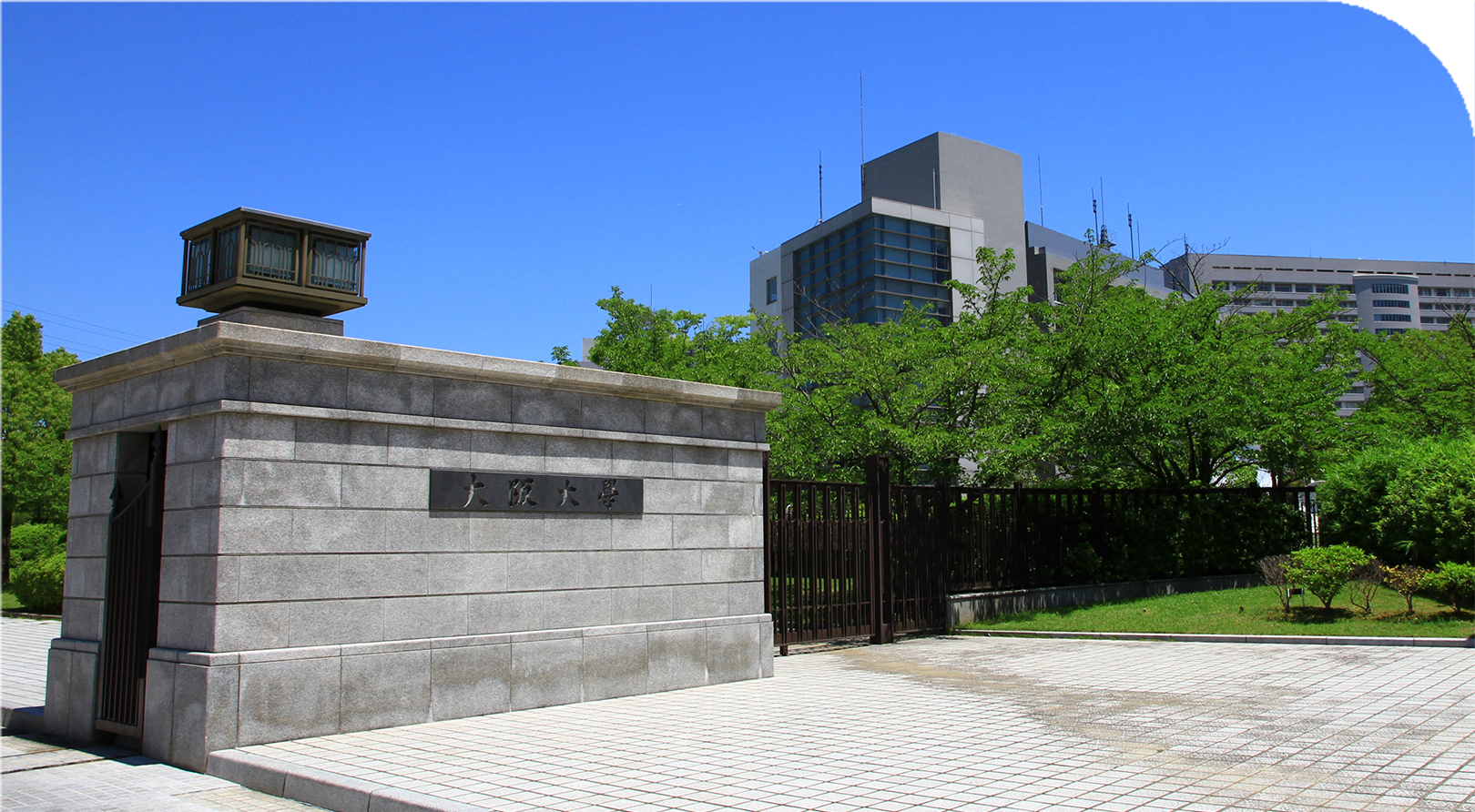
| The University of Osaka | Y (Academic) | Throughout Season | |
| The University of Queensland | N | – | May 18, 2025 |
| Tsinghua University | N | Throughout Season | |
| Universidad de Chile | Y (VLC) | Students from UChile are currently not eligible to apply for courses at VSE Season 3, 2024-25 | |
| Universidad San Francisco de Quito | N | Throughout Season | |
| University of Science and Technology of China | Y (VLC) | Throughout Season | |
| University of the Philippines | N | Throughout Season | |
Eligibility
To apply for a VSE course, please note the followings:
- Your home university must allow its students to take courses in the current VSE Season.
- Postgraduate students may also apply for VSE courses, but the course offering universities will make final decisions on whether such applications are approved.
Your home university, course offering universities and specific courses may have additional academic and language proficiency requirements.
Application and Enrolment
Refer to the Application section for detailed instructions on how to apply for a VSE course.
You can take ONE/TWO academic courses and ONE/TWO VLC courses within a single VSE Season. (subject to your home university’s requirements) To apply for a second academic/VLC course after submitting your first application, please submit another application through the VSE application system. We encourage you to save one of your two course quotas for a course that is offered later into the Season.
Course enrolment is subject to endorsement from your home university and approval from the course offering university.
Your home university may require you to go through an internal selection process before you can make an application through the VSE application system. For details, please consult your home university’s VSE Coordinator.
Language Requirements
The majority of academic courses offered through the VSE are taught in English. However, some courses on offer are taught in other languages. The language of instruction of a course can be found on the course details page of each course offering university.
Some course offering universities require applicants to provide proof of language proficiency when they apply for a course. These requirements can be found on the course details page. Remember to upload the required proof when you make an application through the VSE application system. While some course offering universities do not specify language requirements, students are expected to be able to understand and study the course materials in the course’s language of instruction.
Credits and Transcripts
Most courses offered through the VSE are credit bearing. Credits, if available, will be provided by the respective course offering university. If you are looking to take a VSE course and transfer the credits back to your home university, please make sure the following before you apply:
- The course is credit-bearing
- Your home university would approve the transfer of credits
- How credits would convert between the course offering university and your home university
Transcripts for credit-bearing courses will be sent to your home university and/or you directly. Certificates of participation or Pass/Fail Certificates are available for most non-credit bearing courses.
Fees

FAQs
I am a postgraduate student. Can I apply to VSE courses?
You can apply to VSE courses if it is approved by your home university. However, the corresponding course offering university will have the final decision to approve applications from postgraduate students.
I have made an application but I need to submit additional documents. What should I do?
Please send your additional documents to [email protected] with your full name and application number in the subject line. DO NOT start another application to submit additional documents.
When can I expect to receive my application result?
Your application, if endorsed by your home university, will be reviewed by the corresponding course offering university. The time for course offering universities to review and approve your application varies, but you will be informed by the VSE Central Office of your application result (successful/not successful) before the first day of class of your selected course.
I have only taken one course in the current VSE Season. Can I take three courses in the next Season?
Untaken course quotas cannot be carried over to subsequent VSE Seasons.
I have applied to two academic/VLC courses in the current VSE Season, but one of the applications was not successful. Can I apply to another course?
You may apply to another VSE course within the same Season, if that course is still open for application and if doing so will not exceed the enrolment limit of two academic/VLC courses per Season.
My application to a VSE course has been approved but due to some certain reasons, I would like to withdraw. What will I have to do?
You may withdraw your VSE application before or after your application is approved. You must seek approval by writing to the APRU VSE Central Office and the VSE coordinator of the course-offering university if you have changes of your study plans and request to withdraw from the course.
I am informed that my application is unsuccessful. May I know the reason(s) why?
Your unsuccessful VSE application could be due to your application not being endorsed by your home university, or not being approved by the course offering university. The course offering university evaluates VSE applications based on its own criteria, which may include (but not limited to) the following:
1. Spaces available for VSE enrolment in the course
2. Academic attributes (e.g., year of studies, major, GPA) of the applicant
3. The applicant’s proficiency in the course’s language of instruction
List of Courses
Season 3, 2024-25
(Click university name to access full course details)
Application Closed